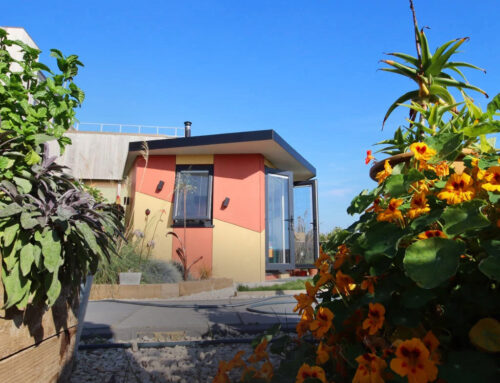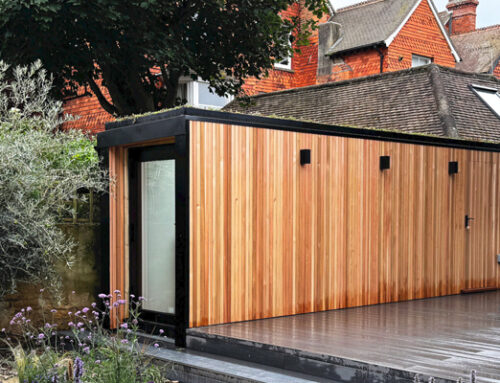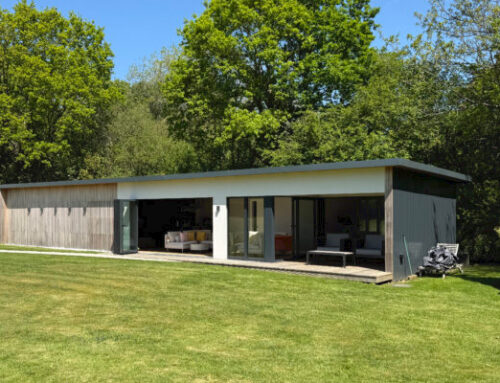
Picture this: you’re sipping your morning coffee in your garden office, surrounded by natural light streaming through triple-glazed windows, while your heating bills have dropped by half and your carbon footprint has practically vanished. Sounds too good to be true? Welcome to the reality of eco-friendly garden rooms.
As a Sussex homeowner, you’re probably feeling the pinch of rising energy costs and increasingly conscious about your environmental impact. Traditional house extensions feel like yesterday’s solution – disruptive, expensive, and frankly, not very green. But what if there was a better way to create that extra space you desperately need?
At A Room in the Garden, we’ve been watching a quiet revolution unfold in backyards across Brighton, Hove, Worthing, and beyond. More homeowners are discovering that garden rooms aren’t just about adding space – they’re about adding smart, sustainable space that actually gives back to both your wallet and the planet.
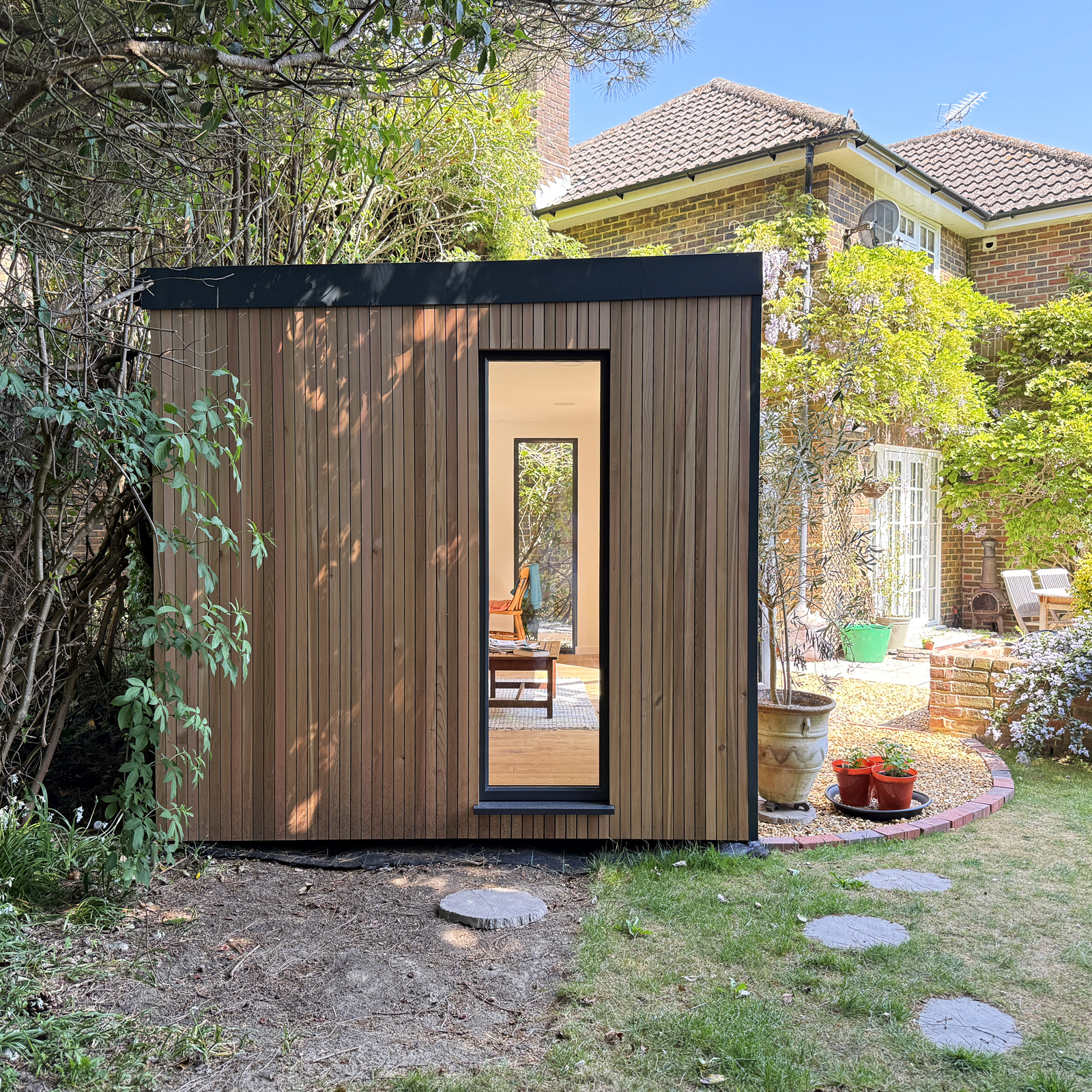
Why Garden Rooms Are Actually Genius for the Environment
Let’s be honest – most home improvements are environmental disasters waiting to happen. Skips full of waste, months of disruption, and enough concrete to pave a small car park. Garden rooms? They’re the complete opposite.
Minimal Ground Disruption Unlike extensions that require digging up half your garden and potentially damaging your home’s foundations, our garden rooms sit lightly on the landscape. We’re talking about precise foundation work that preserves your existing drainage, protects established plants, and keeps your garden’s ecosystem largely intact.
Construction That Actually Makes Sense Here’s something that might surprise you: most of our garden room components are precision-cut off-site. That means minimal waste, no piles of leftover materials cluttering your garden, and a build process that’s measured in weeks, not months. Compare that to traditional extensions where waste skips become a semi-permanent garden feature.
The Carbon Footprint Reality Check A typical house extension involves months of heavy machinery, daily material deliveries, and enough disruption to make your neighbors consider moving. Our garden rooms? Most are completed in 2-4 weeks with a fraction of the transport emissions and construction activity. It’s like comparing a marathon to a sprint – same finish line, completely different impact.
What Makes Our Garden Rooms Actually Eco-Friendly
We get it – “eco-friendly” has become one of those buzzwords that gets thrown around without much substance. So let’s talk specifics about what makes our garden rooms genuinely sustainable.
Insulation That Actually Works Our garden rooms don’t just meet building regulations for insulation – they smash them. We’re talking about multi-layer insulation systems that keep your space comfortable year-round with minimal energy input. One of our Brighton clients jokes that her garden office is warmer than her Victorian terrace house. She’s probably not wrong.
Windows and Doors That Earn Their Keep Double and triple-glazed units aren’t just about keeping the cold out. They’re about maximizing natural light so you’re not flicking on electric lights all day, providing excellent acoustic performance (perfect for those Zoom calls), and creating spaces that feel connected to your garden while staying energy efficient.
Materials We’re Actually Proud Of We source FSC-certified timber because forests managed sustainably actually help combat climate change. Our finishes are low-VOC because indoor air quality matters. And we choose materials for longevity – better to build something once that lasts decades than replace cheap materials every few years.
Heating Systems That Make Sense Air source heat pumps, underfloor heating, smart thermostats – we spec heating systems that work with the environment rather than against it. Many of our garden offices cost less than £20 per month to heat, even during Sussex winters.
The Real-World Impact: Stories from Sussex
The Brighton Graphic Designer’s Game-Changer Sarah was spending £400 monthly on a shared workspace in Brighton, plus fuel costs for her daily commute. Her garden office project included solar panels and a heat pump system. Eighteen months later? Her workspace is not only carbon neutral – it’s actually generating more energy than it uses. Her old commute emissions? Gone. Her productivity? Through the roof.
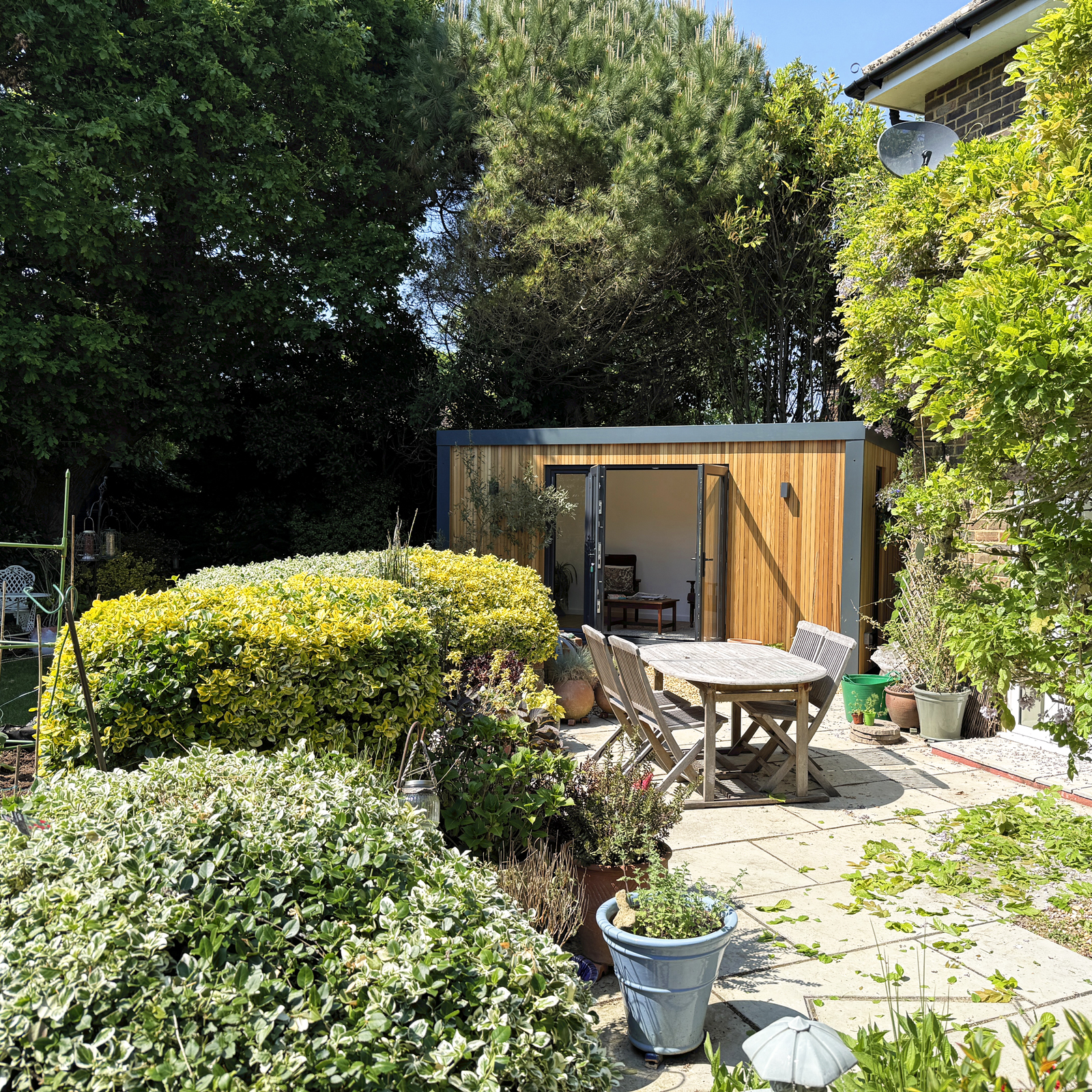
The Worthing Artist’s Sustainable Studio When David wanted an art studio, he was determined it should be as sustainable as possible. We used locally-sourced cedar cladding, cork flooring, and even incorporated a green roof that’s become a haven for local bees and butterflies. His energy bills for the studio? Less than £15 per month.
The Haywards Heath Home Gym Revolution The Johnson family were spending over £100 monthly on gym memberships, plus fuel costs for regular trips to the leisure center. Their eco-friendly garden gym eliminated those costs entirely, features rainwater collection for garden irrigation, and has LED lighting throughout. They’ve calculated they’ll break even on the build cost within six years – and that’s before factoring in the health benefits of having a gym literally in their backyard.
The Surprising Financial Benefits of Going Green
Yes, sustainable features sometimes cost more upfront. But here’s what most people don’t calculate: the ongoing savings that keep giving year after year.
Energy Bills That Actually Shrink Superior insulation and efficient heating typically reduce energy costs by 40-60% compared to standard outbuildings. We’re talking about annual savings of £300-600 for typical garden offices, more for heated spaces like gyms or studios with hot tubs.
Property Value That Reflects the Investment Estate agents are telling us that eco-credentials are becoming genuine selling points. Sustainable garden rooms are adding 5-10% more value than standard versions because buyers increasingly care about energy efficiency and environmental impact. Plus, you’re future-proofing against rising energy costs.
Maintenance That’s Actually Minimal Quality sustainable materials often outlast their conventional alternatives. Cedar weathers beautifully without treatment, high-quality insulation prevents condensation issues, and LED lighting systems last years longer than traditional alternatives.
Making Your Garden Room Even Greener
Want to push the sustainability envelope further? Here are some options that can make your garden room a genuine environmental asset:
Solar Integration South-facing roof space is perfect for solar panels. With current technology, a modest solar array can make many garden offices completely energy self-sufficient. Some of our clients are even feeding excess power back to their main house.
Green Roof Options Living roofs provide additional insulation, create habitat for local wildlife, and help manage rainwater naturally. Plus, there’s something deeply satisfying about watching your roof bloom with wildflowers each spring.
Smart Technology Automated heating and lighting systems ensure you’re never wasting energy. Smart thermostats learn your usage patterns, automated lighting responds to natural light levels, and energy monitoring helps you optimize consumption.
Planning Your Eco-Friendly Garden Room
Every site is different, and maximizing sustainability means working with your garden’s existing conditions rather than against them.
Site Assessment We evaluate solar orientation to maximize natural heating and lighting, assess drainage patterns for sustainable water management, and consider how to integrate your new building with existing landscaping and wildlife habitats.
Future-Proofing Your Design We design for changing environmental conditions and emerging technologies. Today’s garden room should be ready for tomorrow’s green innovations, whether that’s improved battery storage, new heating technologies, or evolving renewable energy systems.
Ready to explore what’s possible for your property? Our consultation process helps identify the sustainable options that make most sense for your specific site and needs.
The Questions We Get Asked Most
“How much more do eco features really cost?” High-performance insulation and glazing typically add 10-15% to initial costs but usually pay for themselves within 3-5 years through energy savings. Solar panels add more upfront but can achieve net-zero energy costs over their lifetime.
“Will I actually save money long-term?” Most eco features show positive returns within 3-7 years. Superior insulation and glazing often pay back fastest, while renewable energy systems provide the greatest long-term savings. Plus, you’re insulating yourself against future energy price rises.
“Is maintenance more complicated?” Actually, it’s often simpler. High-quality insulation and glazing require minimal upkeep, natural materials like cedar age beautifully with little intervention, and LED systems last years longer than traditional lighting.
The Honest Truth About Eco-Friendly Garden Rooms
Look, we’re not claiming garden rooms will single-handedly solve climate change. But they represent something important: proof that you don’t have to choose between modern lifestyle needs and environmental responsibility.
Every garden room we build that eliminates commutes, reduces energy consumption, and provides decades of low-impact use is a small victory. Multiply that across hundreds of projects, and it starts to add up to something meaningful.
The real question isn’t whether garden rooms are eco-friendly – it’s whether you’re ready to be part of a smarter approach to home improvement. One that gives you the space you need while actually contributing to the solution rather than the problem.
At A Room in the Garden, sustainability isn’t an add-on feature – it’s built into everything we do. From responsible material sourcing to energy-efficient design, from minimal waste construction to long-term durability, we’re committed to proving that beautiful, functional spaces can also be environmentally responsible.
Ready to create your eco-friendly retreat? Get in touch to discuss how we can help you add sustainable space that works for both your lifestyle and your conscience.
And if you’re curious about the technical details of sustainable building, the Energy Saving Trust offers excellent guidance on home energy efficiency, while the Planning Portal provides up-to-date information on permitted development rights for eco-friendly outbuildings.
Your garden room journey starts with a conversation. Why not make it about creating something you’ll be proud of for decades to come?
Enjoyed this article? You may find some more inspiration in our blog such as What Can You Use Your Garden Room For?